

07 Nov Introducing Parrots
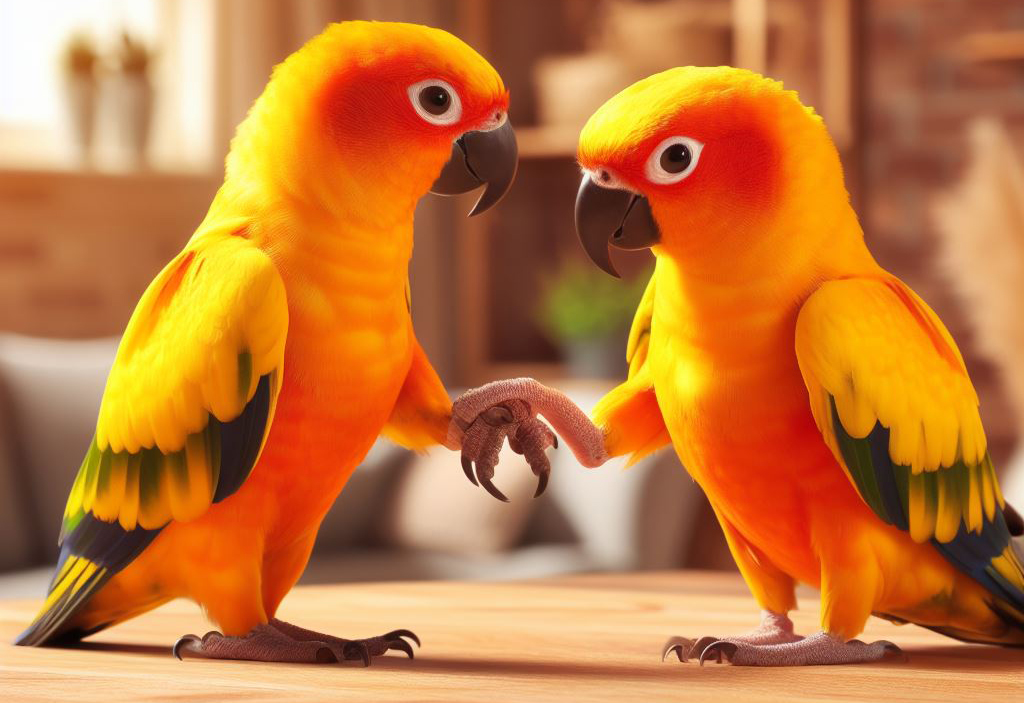
Parrots are known for their sociable and intelligent nature, and many parrot owners find themselves considering the possibility of introducing their feathered friends to one another.
The idea of having parrots share a cage or space is undoubtedly appealing, but it’s essential to approach this process with caution. In this blog post, we’ll explore the intricacies of introducing parrots to one another, emphasizing the precautions and potential dangers involved in placing unfamiliar birds in the same space.
Understanding the Nature of Parrots
Before we delve into the process of introducing parrots, it’s essential to understand their social dynamics and instincts:
- Flock Mentality
In the wild, parrots are highly social creatures that form strong bonds with their flock members. They rely on these bonds for companionship, safety, and foraging. However, this natural behaviour is often disrupted in captive breed birds. - Territorial Behaviour
Parrots can be territorial, and they may view their cage or living space as their territory. Introducing another parrot into this space can trigger territorial disputes which can escalate quickly, become violent and result in serious injury or death. - Individual Personalities
Each parrot has a unique personality and temperament. Some may be more social and accepting of newcomers, while others may be territorial and aggressive. Just because your parrot likes one bird, doesn’t mean that they will like ALL birds.
The Dangers of Introducing Unfamiliar Parrots
While the idea of parrots becoming friends and sharing their space is heartwarming, there are potential dangers and pitfalls to be aware of:
- Aggression and Fighting
Introducing unfamiliar parrots can lead to territorial disputes, aggression, and physical fights. Biting, feather plucking, and injuries can occur. - Stress and Anxiety
The stress of sharing space with an unfamiliar bird can lead to anxiety and behavioural issues in both parrots. - Disease Transmission
Introducing a new parrot can pose a risk of disease transmission, even if the newcomer appears healthy. Diseases like psittacosis or avian polyomavirus can be transmitted without visible symptoms.
Precautions When Introducing Parrots
While introducing parrots can be challenging, it is possible under certain circumstances. Here are precautions to consider:
- Quarantine
Always quarantine a new parrot in a separate room for at least 30 days before introducing them to existing birds. This allows time for health checks and minimizes disease transmission risks. - Gradual Introduction
When you decide to introduce parrots, do it gradually. Place their cages in the same room, allowing them to observe one another without direct contact. - Supervised Interaction
When you feel the time is right for a face-to-face encounter, supervise the interaction closely. Be prepared to separate them if aggression occurs. - Separate Feeding Stations
Ensure that each parrot has its own food and water dishes to prevent resource guarding and conflicts over food. - Cage Size and Design: If and when the birds indicate they wish to share a cage, make sure that it is suitably large, with multiple food stations, perches and hiding spots to help minimize territorial disputes. Parrots should have enough space to avoid each other if necessary.
- Species Compatibility
Some parrot species are more sociable and adaptable to living with others. Research the compatibility of the parrot species you wish to introduce. - Size Matters
Consider the damage that one parrot can do to another. It isn’t safe to keep budgies in the same space as a Cockatoo for instance, as they could literally bite a limb off or kill the other bird. Bird’s have been known to grab other birds through cage bars. - Professional Guidance
If necessary consult with a veterinarian or a parrot behavioural expert for advice on introducing parrots.
Conclusion
While the idea of parrots sharing their space is endearing, it’s crucial to proceed with caution and prioritise safety when introducing unfamiliar birds. However, be aware that some birds may never tolerate the company of others. Its also important to note that a bonded bird may become less handelable and even aggressive towards humans.
Understand the nature of parrots, be aware of potential dangers, and take precautions to minimize risks. With patience, supervision, and professional guidance if needed, you may be able to provide your parrots with the opportunity for social interaction. However, sharing a cage is not the be all and end all, as everyone needs their own space.
It is also important to consider what would happen if your own parrot bonds with a Birdline Safehouse or Foster Bird. If at any point in the future you need to return the Birdline bird, what would happen? Would it be fair to seperate the pair? Would you be prepared to sign your bird over to Birdline so they can stay together? It may be best not to encourage a situation that could be problematic in the future.
N.B. If you have a Birdline bird(s) you MUST consult Birdline before allowing them to share a cage.